Libya Unrest Threatens Oil and Gas Supply
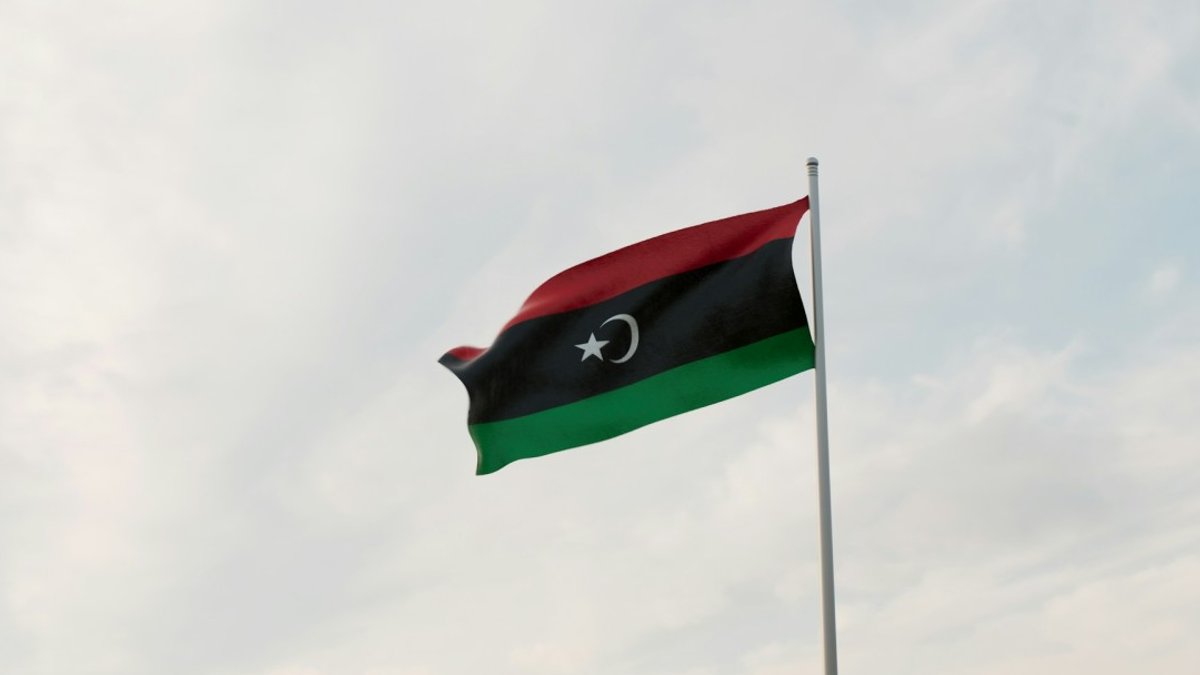
Anti-government protests in Libya escalated sharply Tuesday, with demonstrators entering the Mellitah Oil and Gas complex and threatening to halt gas and fuel supplies to both domestic and international markets. The unrest, driven by anger over frequent power cuts and rising electricity bills, has centered on Tripoli, the capital, where protesters have blocked streets and roads since earlier this week as a visible demonstration of their discontent with the Government of National Unity.
Protesters target gas exports to Italy
The demonstrations spread to the Mellitah gas processing plant, where protesters are reportedly trying to stop natural gas exports to Italy via a pipeline, aiming to solve Libya’s gas and power shortage problem. Their aim, according to sources among the protesters, is to pile economic pressure on the Government of National Unity led by Prime Minister Abdul Hamid Dbeibah and force its resignation, as reported by Middle East Online on Tuesday. The choice of the Mellitah complex is strategic: it serves as a critical node in the country’s energy network, and a sustained blockade would directly affect the flow of gas to European markets that continue to depend on Libyan supply.
As of Tuesday morning local time, it was unclear whether the protesters had succeeded in halting any gas or oil supply, leaving the immediate impact on production and exports uncertain. The situation remains fluid, with the potential for further escalation as the day progresses. While the capital has been the main stage of the protests, the move to target energy infrastructure marks a significant shift in tactics, moving from street blockades to direct interference with industrial operations. The Mellitah complex is a key node in the country’s oil and gas network, and any sustained disruption would have immediate consequences for European energy markets that still rely on Libyan gas.
What’s less clear is whether the protesters have the ability or the coordination to maintain a blockade at such a facility, given the security measures typically present at critical energy sites. Past unrest in Libya has often fragmented, with different groups pursuing conflicting agendas, and the current movement’s cohesion remains an open question. If the movement holds together, it could force the government into a more serious negotiation than the street protests alone have achieved, potentially compelling Dbeibah’s administration to address the underlying grievances over electricity infrastructure and pricing.
Related: Saudi Arabia may raise Asia oil prices
A blow to Libya’s hydrocarbon revival
Further escalation and a potential halt to some oil and gas activities would be a major setback for Libya’s hydrocarbon revival, which had only recently begun to see progress after years of civil war, operating under relatively safer conditions. The country’s energy sector had been slowly recovering from the disruptions of the civil war, with production and investment gradually returning to levels that support both domestic needs and export commitments.
Earlier this month, Libya’s National Oil Corporation (NOC) and Austrian energy firm OMV declared the Essar oil discovery commercially viable, marking a concrete step in the revival of the sector. That announcement was part of a broader push by OPEC’s second-largest African producer to revive its industry in partnership with international oil majors, signaling renewed confidence in Libya’s long-term energy potential. The declaration of commercial viability for the Essar discovery represents months of evaluation and investment, and any fresh instability threatens to undermine the progress made in attracting foreign partners.
Fresh halts to Libya’s oil and gas supply recovery would also hit global markets, which are already reeling from the shock loss of crude, fuels, and liquefied natural gas supply from the Middle East. The combination of disruptions across multiple producing regions would compound the strain on international energy supplies. Any disruption from Libya would add to the pressure on prices and energy security, particularly for European nations that have turned to Libyan gas as part of their diversification strategy following earlier supply shocks.

Saudi Arabia may raise Asia oil prices


