Healey sets first budget date for October 28
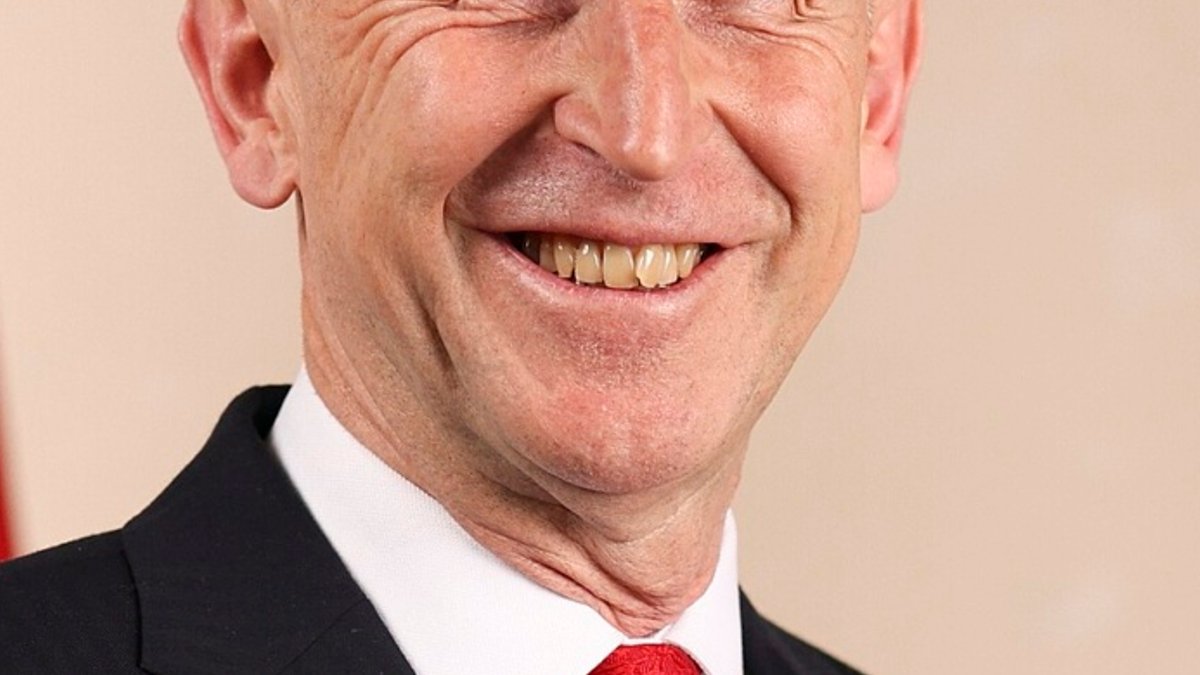
Chancellor John Healey confirmed he will deliver his first Budget on October 28. The announcement outlines a fiscally disciplined package aimed at providing stability for households and businesses within an uncertain economic climate. In a video message, the official emphasized that the upcoming event would move money and power out of Westminster and into every postcode around Britain, signaling a shift in administrative focus. The Chancellor stated the Budget is built on strict fiscal discipline. He noted it will meet the government’s fiscal rules while giving businesses and families the stability they need to plan for the future.
While the rhetoric focuses on decentralization, the economic constraints remain set by existing rules. These boundaries create a baseline of predictability, though the specific fiscal measures remain to be seen. Healey’s approach suggests a prioritization of economic steadiness over aggressive stimulus. The strategy balances the need for growth with the requirement to manage public finances responsibly. Uncertainty drives behavior.
Pressure mounts over pension taxation
The statement prompted renewed calls from the pensions industry for greater certainty regarding long-term savings. Tom Selby, public policy director at AJ Bell, urged the Chancellor to commit to a “Pension Tax Lock.” The director argued that speculation over potential changes to pension tax-free cash has already prompted savers to withdraw billions from their pension pots, disrupting normal market flow. AJ Bell’s representative highlighted the need for a firm guarantee to stop the panic.
Related: Fee disclosure myths busted
Withdrawals surge amid speculation
Data from the Financial Conduct Authority shows tax-free cash withdrawals rose to £18.3 billion in 2024/25. It represents a significant jump compared to the average of £7.9 billion per year over the previous five tax years. The disparity suggests roughly £10 billion in additional withdrawals were driven by speculation regarding potential tax changes. This trend risks depleting retirement provisions earlier than anticipated. The sudden influx of cash into bank accounts indicates a lack of confidence in the current system.
Market participants often value the predictability of a tax regime more than the specific rate. When the fiscal calendar dictates policy volatility, long-term capital tends to retreat, favoring short-term liquidity. A structural guarantee often provides a more reliable environment for growth than a system prone to sudden legislative shifts. Savers prefer knowing the rules won’t change overnight.
The cost of policy uncertainty
Selby suggested that uncertainty over pension tax incentives encourages savers to move money out of long-term investments. This behavior harms retirement outcomes and reduces investment in the UK economy. The Chancellor faces a difficult choice between political maneuvering and economic stability. Ultimately, addressing the concerns of the pensions industry might be necessary to restore confidence. Without such assurances, the market may continue to react negatively to future fiscal announcements.

Fee disclosure myths busted


