UCLA Researchers Convert Plastic Waste Into Hydrogen Fuel
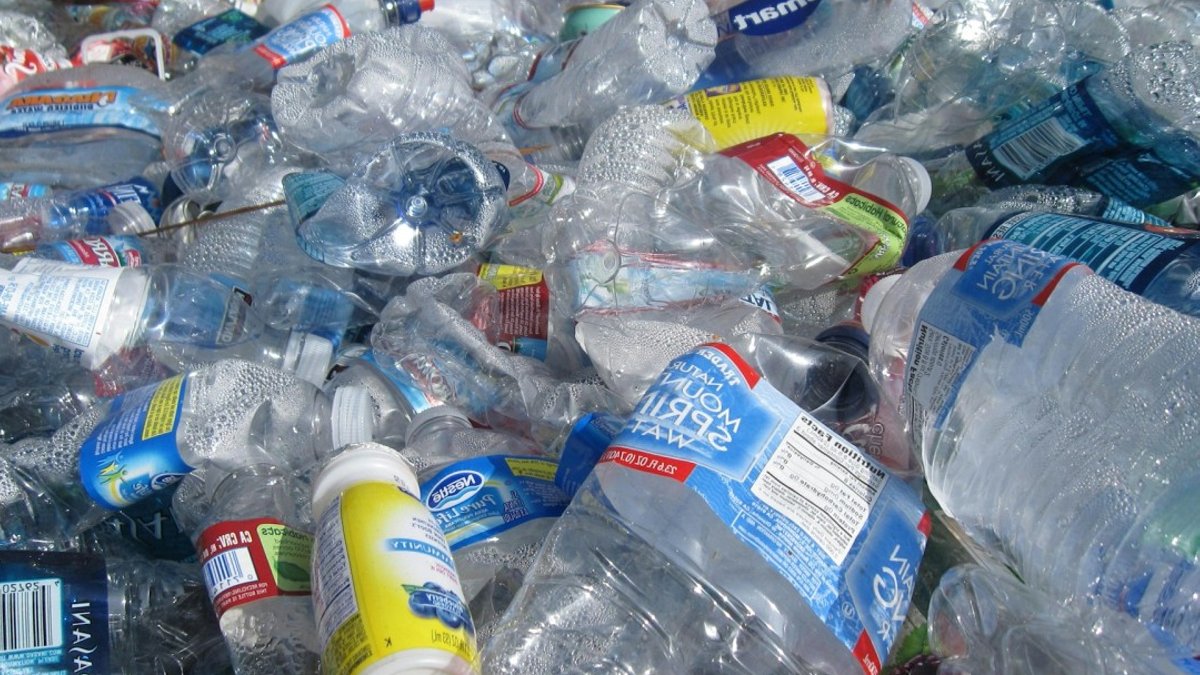
Hydrogen fuel is making a comeback as researchers find ways to turn waste plastics into clean energy. The industry faced a slump in 2023 when only a fraction of planned projects came to fruition, but new methods are reviving interest in the gas as a replacement for fossil fuels.
Converting Plastic Into Hydrogen
Researchers from the UCLA Samueli School of Engineering and Ewha Womans University in South Korea have developed a method called Alkaline Thermal Treatment (ATT). This process uses heat to convert plastic waste into pure hydrogen without sorting the recyclables first. The single-reactor system works on common plastics like polyethylene terephthalate (PET), polyethylene (PE), and polypropylene (PP). The findings were published in the scientific journal PNAS.
“We are solving two urgent global problems at the same time,” Ah-Hyung “Alissa” Park, a professor of chemical and biomolecular engineering at UCLA, told Interesting Engineering. “Plastic waste is accumulating at alarming rates, and clean hydrogen is essential for decarbonizing energy. This technology tackles both of these challenges in a creative and scalable way.”
Cleaner Combustion and Industrial Utility
Hydrogen is enormously useful in industrial processes and holds great promise for limiting their associated carbon emissions, as the element can be combusted at high temperatures similar to natural gas or coal. The combustion process leaves behind only water vapor, which presents a cleaner alternative to traditional fuel sources. This characteristic makes the fuel particularly attractive for hard-to-abate sectors such as shipping and steelmaking, where high temperatures are required for production.
Cost and Efficiency Gains
The UCLA team’s method produces hydrogen at a cost of around $1.54 per kilogram, or roughly $0.70 per pound. This price point is competitive with gray hydrogen, which is currently the dominant form used in industry. Standard green hydrogen production methods are often too expensive to replace fossil fuels effectively. The ability to lower costs could accelerate the adoption of hydrogen in sectors like shipping and steelmaking.
Related: ADNOC issues seventh crude tender despite shipping risks
This approach offers a distinct advantage over other waste-to-energy methods. While earlier technologies focused on converting biomass or sugars, the UCLA method targets the widespread issue of plastic pollution. It creates a circular economy where discarded materials directly fuel industrial processes. Critically, this method makes the production of hydrogen much more affordable than standard green hydrogen production methods, at just $1.54 per kilogram around $0.70 per pound, making it competitive with gray hydrogen.
Market Shifts and Future Outlook
Global interest in hydrogen has shifted since 2023, when a study found only 7% of global capacity announcements finished on schedule. China, Europe, and the United States are now increasing investment in hydrogen infrastructure. The technology developed in South Korea demonstrates that the field is moving beyond theoretical models toward practical applications.
This revival in research and breakthroughs comes after a long lull period in which it appeared as though green hydrogen was a lost cause. In 2023, less than a tenth of planned green hydrogen projects came to fruition. A study tracking 190 projects over 3 years found a “wide 2023 implementation gap with only 7% of global capacity announcements finished on schedule.” But interest in hydrogen research has been renewed as its role in energy security becomes increasingly clear against the backdrop of extreme oil market volatility.
China, Europe, and the United States are all making concerted efforts to accelerate hydrogen investment, and it is evident that the renewed attention is already paying off. As costs continue to drop, these new production methods could play a significant role in the future energy setting.

ADNOC issues seventh crude tender despite shipping risks


